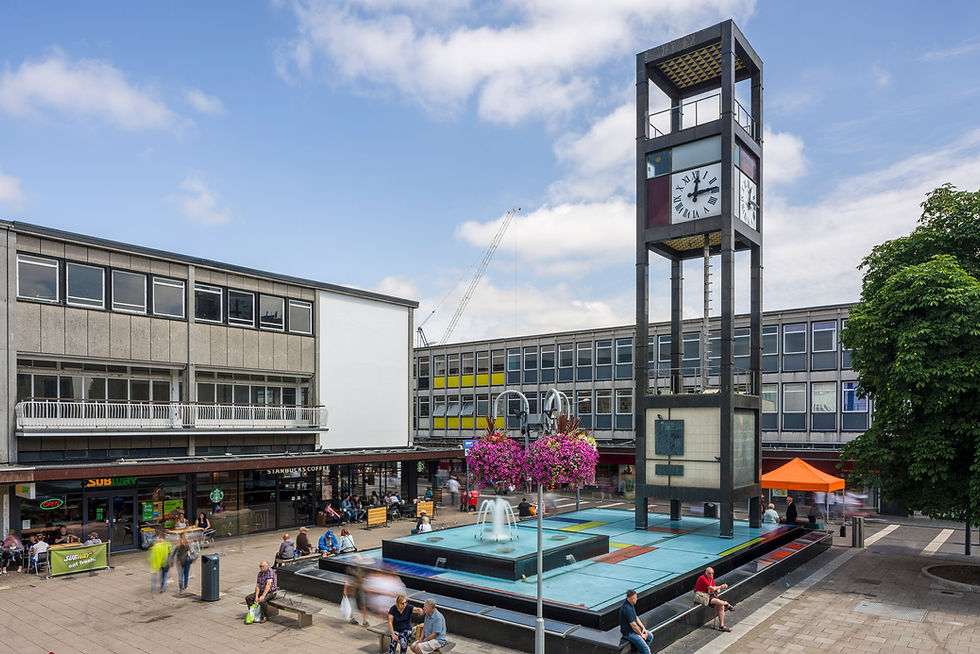
Stevenage at 80: Planning the Next Chapter of the First New Town


Its amazing to reflect on Stevenage’s 80th anniversary and hard to underestimate the significance of the UK’s first New Town and the long-term pioneering planning ambition that shaped and is still shaping it.
Stevenage was the blueprint for planned growth and long-term place shaping, conceived as an ambitious and forward-thinking response to housing need, overcrowding and post-war recovery. The New Town Vision placed a strong emphasis on homes set within an attractive landscape, linked to employment, movement, public facilities and civic structure.
Back in 2015, we were appointed by Stevenage Borough Council to prepare the Stevenage Central Regeneration Framework, and help shape a long-term vision for the town centre, station area and surrounding public spaces. Over the past decade, I have been lucky enough to continue this journey, working with the Council and its partners through the implementation of the strategy, seeing first-hand the transformation taking place in the town.
The town’s planning legacy of distinctive architecture, generous public spaces and connection to the countryside remain a key part of its identity. However, decades of changing patterns in everyday living, working, leisure and travel left the town centre outdated and in need of a refreshed direction. Whilst groundbreaking at the time, the new town approach has led to a number of challenges as the pressures on town centres changed significantly, not least:
Radically changed retail and leisure needs. The dawn of online shopping, and lasting effects of the COVID-19 pandemic caused drastic shifts in consumer expectations for experiences when leaving the house.
A legacy of substantial transport infrastructure meant that the station and town centre lacked strong integration. The ring road and surrounding infrastructure created physical barriers and forced life out of centre.
An inheritance of zonal planning, with the employment areas of Gunnels Wood in particular, separated parts of the town and led to activity becoming fragmented.
The centre’s reliance on retail created vulnerability and the need for a broader mix of uses to remain economically and socially active.
The Stevenage Central Regeneration Framework took these challenges head on, whilst respecting and drawing on the heritage and identity of Stevenage. It set in place an ambitious Vision for the next stages of life here, recognising that the process of regeneration is a sustained journey rather than singular project. As a strategic planning tool to guide long-term change and investment, the Framework created a realistic and adaptable structure capable of responding to long-term change.
As well as establishing a clear ongoing vision for Stevenage, the Framework directly informed policy in the Local Plan and guided future investment decisions. It has provided a binding blueprint for strong local governance and partnership, creating confidence for future investment both from private sector partners and the Government, and delivered a consistent direction for future growth and changing the image of the town.
So…has it worked? I’ll let you be the judge, but I challenge you to visit Stevenage today and not be excited by the scale of change that is happening in the town. Major new investment in the town centre has brought employment space, radically enhanced public realm, and improved public transport infrastructure, as well as an enhanced leisure offer that has re-connected the town with its communities and is providing real opportunities for the new generation of Stevenage residents to experience the same level of excitement that those early residents in 1955 might have felt.
The most successful places are those that evolve while retaining a clear sense of identity, purpose and connection to the communities who live in and use them. For me, Stevenage’s collective and bold approach to regeneration demonstrates the value of ambitious, joined-up planning 80 years after its inception.